In modern homes, HVAC systems and plumbing are more interconnected than many homeowners realize. While HVAC systems are responsible for regulating temperature and airflow, plumbing systems can influence humidity levels and overall indoor air quality. Leaks, poor drainage, or excessive moisture from plumbing fixtures can introduce humidity into the air, creating conditions that strain HVAC performance. Recognizing this connection is essential for maintaining a healthy and efficient home environment. When both systems are properly managed, they work together to create balanced indoor conditions that support comfort and well-being.
Controlling Humidity for Better Air Quality
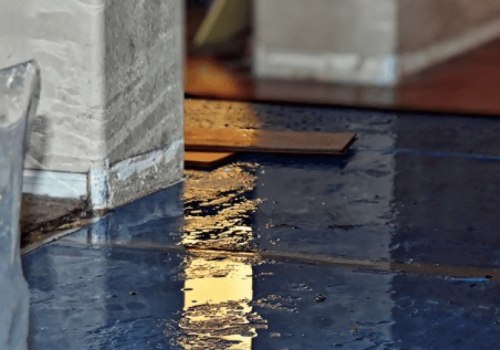
One of the most important factors in indoor air quality is humidity control. Excess moisture from plumbing issues—such as leaking pipes or inefficient drainage—can lead to mold growth, musty odors, and poor air quality. HVAC systems play a key role in regulating humidity, but they can only perform effectively if underlying plumbing problems are addressed. Regularly inspecting plumbing fixtures, fixing leaks promptly, and ensuring proper ventilation in areas like bathrooms and kitchens can help maintain optimal humidity levels. This proactive approach reduces the burden on HVAC systems and improves overall air quality.
Maintaining Clean Air Through HVAC Care
HVAC maintenance is essential for keeping indoor air clean and healthy. Filters, ducts, and vents can accumulate dust, allergens, and moisture over time, especially in homes with active plumbing systems that contribute to humidity. Regularly replacing air filters, cleaning ducts, and ensuring proper airflow can significantly improve air quality. Additionally, using high-quality filters designed to capture fine particles can enhance the effectiveness of the HVAC system. Homeowners who want to learn more about improving indoor air quality should consider routine maintenance as a key part of their home care strategy.
Preventing Mold and Moisture-Related Issues
Mold prevention is a critical aspect of maintaining both HVAC efficiency and indoor air quality. Plumbing leaks, condensation, and poor ventilation can all contribute to moisture buildup, creating an environment where mold can thrive. HVAC systems that are not properly maintained may struggle to remove excess humidity, exacerbating the problem. Installing dehumidifiers, improving ventilation, and addressing plumbing issues promptly can help prevent mold growth. Keeping these systems in balance ensures that the home remains safe and comfortable while reducing the risk of health concerns associated with poor air quality.
Enhancing System Efficiency Through Coordination
Coordinating HVAC and plumbing systems can lead to improved efficiency and performance. For example, properly insulated pipes can reduce condensation, while well-designed HVAC systems can maintain consistent temperatures that prevent moisture buildup. Smart home technologies can further enhance this coordination by allowing homeowners to monitor and adjust both systems in real time. This integrated approach ensures that each system supports the other, resulting in better energy efficiency and a more comfortable living environment.
Creating a Healthier and More Comfortable Home
Ultimately, maintaining good indoor air quality in homes with integrated plumbing systems requires a combination of regular maintenance, proactive problem-solving, and system coordination. By addressing humidity, preventing leaks, and keeping HVAC systems in optimal condition, homeowners can create a healthier and more comfortable space. This holistic approach not only improves air quality but also extends the lifespan of both HVAC and plumbing systems. With the right practices in place, it’s possible to achieve a home environment that supports both efficiency and well-being for years to come.