HVAC systems and indoor air quality are often discussed in terms of comfort, but they also play an important role in protecting plumbing systems. Heating and cooling units regulate temperature and humidity, both of which directly affect how plumbing components perform over time. Excess moisture in the air can lead to condensation forming on pipes, while poor ventilation can trap humidity in enclosed spaces such as basements, crawl spaces, or utility rooms. These conditions can accelerate corrosion, promote mold growth, and weaken pipe materials. Understanding how HVAC performance and air quality influence plumbing health allows homeowners to take a more integrated approach to maintenance.
Controlling Humidity to Prevent Pipe Damage
One of the most effective HVAC strategies for protecting plumbing systems is maintaining balanced indoor humidity levels. High humidity can cause condensation to form on cold water pipes, leading to water damage and long-term deterioration. Conversely, extremely dry air can contribute to shrinking or cracking in certain materials. Properly functioning HVAC systems regulate humidity through ventilation, dehumidification, and airflow management. Regular maintenance—such as cleaning filters, checking coils, and ensuring proper airflow—helps keep humidity within an optimal range. Homeowners who experience recurring moisture issues may find themselves searching for solutions like "plumber near me", but addressing HVAC-related humidity problems can often prevent plumbing damage before it starts.
Maintaining Clean Air for System Efficiency
Indoor air quality also affects the overall efficiency of both HVAC and plumbing systems. Dust, debris, and contaminants can accumulate in ductwork and around mechanical systems, potentially impacting airflow and increasing moisture retention. When HVAC systems struggle to maintain proper circulation, humidity levels can rise, indirectly affecting plumbing components. Routine duct cleaning and air quality improvements help maintain consistent airflow and reduce excess moisture, creating an environment that supports the longevity of pipes and fixtures. Clean air contributes to a balanced indoor environment where all systems can operate efficiently.
Coordinating HVAC and Plumbing Maintenance
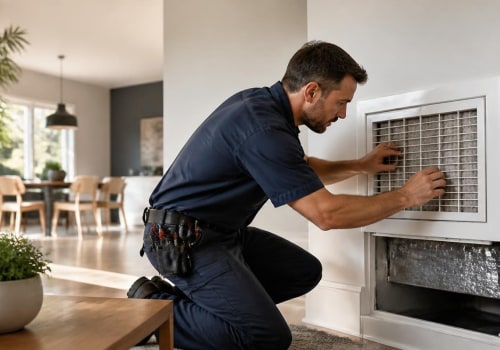
Coordinating HVAC servicing with plumbing inspections is a proactive approach to home maintenance. By scheduling these services together, professionals can identify overlapping issues such as condensation buildup, drainage inefficiencies, or minor leaks. For example, an HVAC technician may notice excess moisture near a unit, prompting further evaluation by a plumber. This collaborative approach ensures that both systems are functioning optimally and reduces the likelihood of recurring problems. Integrated maintenance helps homeowners address potential concerns early, saving time and preventing costly repairs.
Long-Term Benefits of Integrated System Care
Adopting HVAC and indoor air quality approaches that protect plumbing systems offers significant long-term benefits. Proper humidity control, clean airflow, and coordinated maintenance reduce the risk of corrosion, leaks, and structural damage. Over time, this leads to improved system efficiency, lower energy costs, and a more comfortable living environment. By understanding the relationship between air quality and plumbing health, homeowners can create a balanced system that supports the durability and performance of their home’s infrastructure. Ultimately, a well-maintained HVAC system not only enhances comfort but also plays a vital role in safeguarding plumbing systems for years to come.